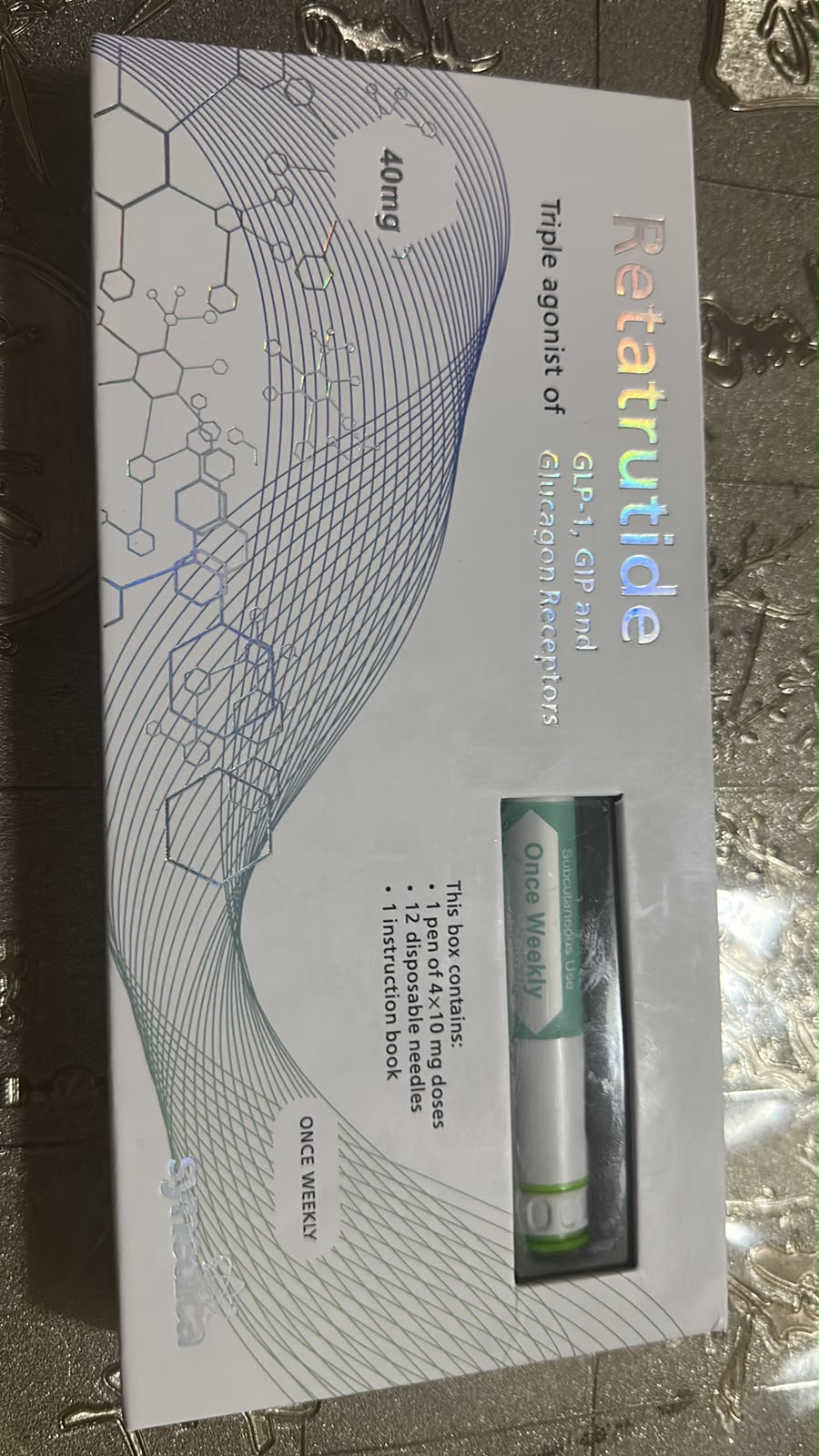
Retatrutide (development code LY-3437943) is a novel triple hormone receptor agonist developed by Eli Lilly and Company. It is designed to treat obesity and type 2 diabetes by simultaneously activating the glucose-dependent insulinotropic polypeptide receptor (GIPR), the glucagon-like peptide-1 receptor (GLP-1R), and the glucagon receptor (GCGR). Clinical trial results for the drug were officially announced in June 2023, and related research findings have been published in several prestigious international medical journals, highlighting its exceptional therapeutic potential and broad prospects for clinical application.
Pharmacological ActivityThe pharmacological activity of retatrutide stems primarily from its unique profile as a triple-receptor agonist. By simultaneously targeting the GIPR, GLP-1R, and GCGR receptors, retatrutide regulates the body’s metabolic balance through multiple, comprehensive pathways. Specifically, activation of GLP-1R promotes insulin secretion, inhibits glucagon secretion, delays gastric emptying, and reduces appetite; activation of GIPR further enhances insulin secretion and sensitivity; and activation of GCGR helps regulate blood glucose levels and reduce hepatic fat accumulation. This synergistic, multi-target action enables retatrutide to excel in controlling blood glucose, promoting weight loss, and improving metabolic function.
Mechanism of ActionRetatrutide’s mechanism of action is complex and sophisticated. By binding to GIPR, GLP-1R, and GCGR, it activates these receptors and triggers a cascade of downstream signaling pathways. Through the GLP-1R pathway, retatrutide stimulates pancreatic β-cells to secrete insulin while inhibiting the secretion of glucagon from α-cells, thereby lowering blood glucose levels. Furthermore, it acts on the central nervous system to reduce appetite and delay gastric emptying, which helps control energy intake. Via the GIPR pathway, retatrutide further enhances insulin secretion and sensitivity, promoting glucose utilization and storage. Through the GCGR pathway, it reduces hepatic gluconeogenesis and lipogenesis, leading to further decreases in blood glucose and lipid levels. This synergistic, multi-pathway effect gives retatrutide a unique advantage in the treatment of obesity and type 2 diabetes.
Clinical ApplicationsRetatrutide has a wide range of clinical applications, primarily in the treatment of obesity and type 2 diabetes. In the treatment of obesity, it has garnered significant attention for its potent weight-loss efficacy. Numerous clinical trials have demonstrated that retatrutide can substantially reduce a patient's body weight and body fat percentage, while also improving metabolic abnormalities associated with obesity. In a Phase 2 clinical trial, a 12 mg dose of retatrutide resulted in a 24.2% reduction in body weight over 48 weeks—one of the most impressive weight-loss outcomes achieved by any pharmacological intervention to date. Furthermore, retatrutide improves blood pressure, lipid profiles, and blood glucose levels, thereby enhancing overall metabolic health. In the treatment of type 2 diabetes, retatrutide has also shown excellent results; it significantly lowers blood glucose and glycated hemoglobin (HbA1c) levels, while reducing the need for exogenous insulin. Additionally, it improves pancreatic islet function and addresses insulin resistance, offering a new option for the comprehensive management of diabetes.
Side EffectsAlthough retatrutide has demonstrated exceptional efficacy in the treatment of obesity and type 2 diabetes, its use may be associated with certain side effects. The most common side effects are gastrointestinal reactions, such as nausea, vomiting, diarrhea, and abdominal pain. These reactions are generally dose-dependent and typically range from mild to moderate in severity. Furthermore, retatrutide may cause a dose-dependent increase in heart rate; however, this effect tends to peak during the initial phase of treatment and subsequently diminishes. It should be noted that long-term use of retatrutide may potentially lead to the development of tolerance and weight regain. Consequently, when using retatrutide for weight management, it is essential to closely monitor the patient’s weight changes and any adverse reactions, adjusting the dosage and treatment regimen as necessary.